

Data
See clearly how Portland's housing unaffordability crisis came to be
People can’t afford to live here
Portland's housing affordability crisis is the result of multiple factors: Decades of underinvestment in supportive services and public housing at the federal level; inadequate levels of housing production locally due to restrictive zoning; wage stagnation; and rents that are being raised to unaffordable levels.
According to the latest data from the National Low Income Housing Coalition, the Portland metro area is in need of almost 93,000 homes that are affordable to people with incomes at or below 50% AMI.1 In Portland alone, nearly 19,000 more homes are needed for households with incomes at or below 30% AMI. With an estimated 18,000 people experiencing homelessness in Multnomah County and many more on the brink, this shortage presents a major challenge to connecting everyone with the housing they need.
The deficit leaves tens of thousands of Portlanders without a place to live.
AMI, or area median income, is the halfway point of an area’s income distribution. That means half of households earn above this amount and half earn less. In Portland, the AMI for a household with two people is about $100,000. “Extremely low-income” is used to describe households with incomes at or below 30% AMI, which is roughly $30,000 for two people. AMI is used to designate different affordability levels for housing built with federal funding, and in recent years, has become a standard measure of affordability for housing built with other funding sources.
The Price of Cost Burden
In Portland, a minimum wage worker earning $16.30 an hour has to work 70 hours perweek just to afford a basic one-bedroom apartment.
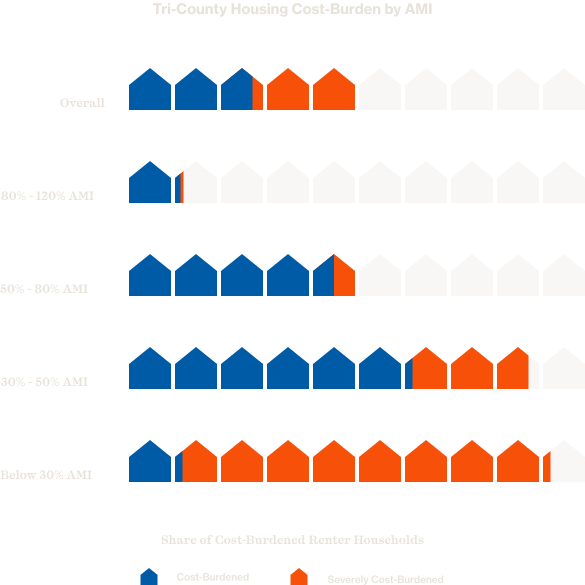
Over half of Portland area renter households are considered cost-burdened, meaning they pay more than 30% of their income for their housing. Half of that number are severely cost-burdened, paying more than 50%.
Over 50% of Portland-area renter households are cost-burdened...
And over 27% are severely cost-burdened.
Oregon Metro
2025 Regional Housing Coordination Strategy
Not surprisingly, the numbers for cost-burdened renter households are much worse for households with lower incomes.
This is just surviving, not thriving
Cost burden means people have to cut or reduce what they spend on food, medical care, school supplies and other essentials. Severe cost burden also makes it impossible to save money for an emergency, which means many low-income people are on the edge of homelessness. Over time, living with cost burden can impact mental and physical health.1
70
Hours Per Week
A minimum wage worker in Portland earning $16.30 an hour must work 70 hours per week just to afford a basic one-bedroom apartment.
Unequal Impact
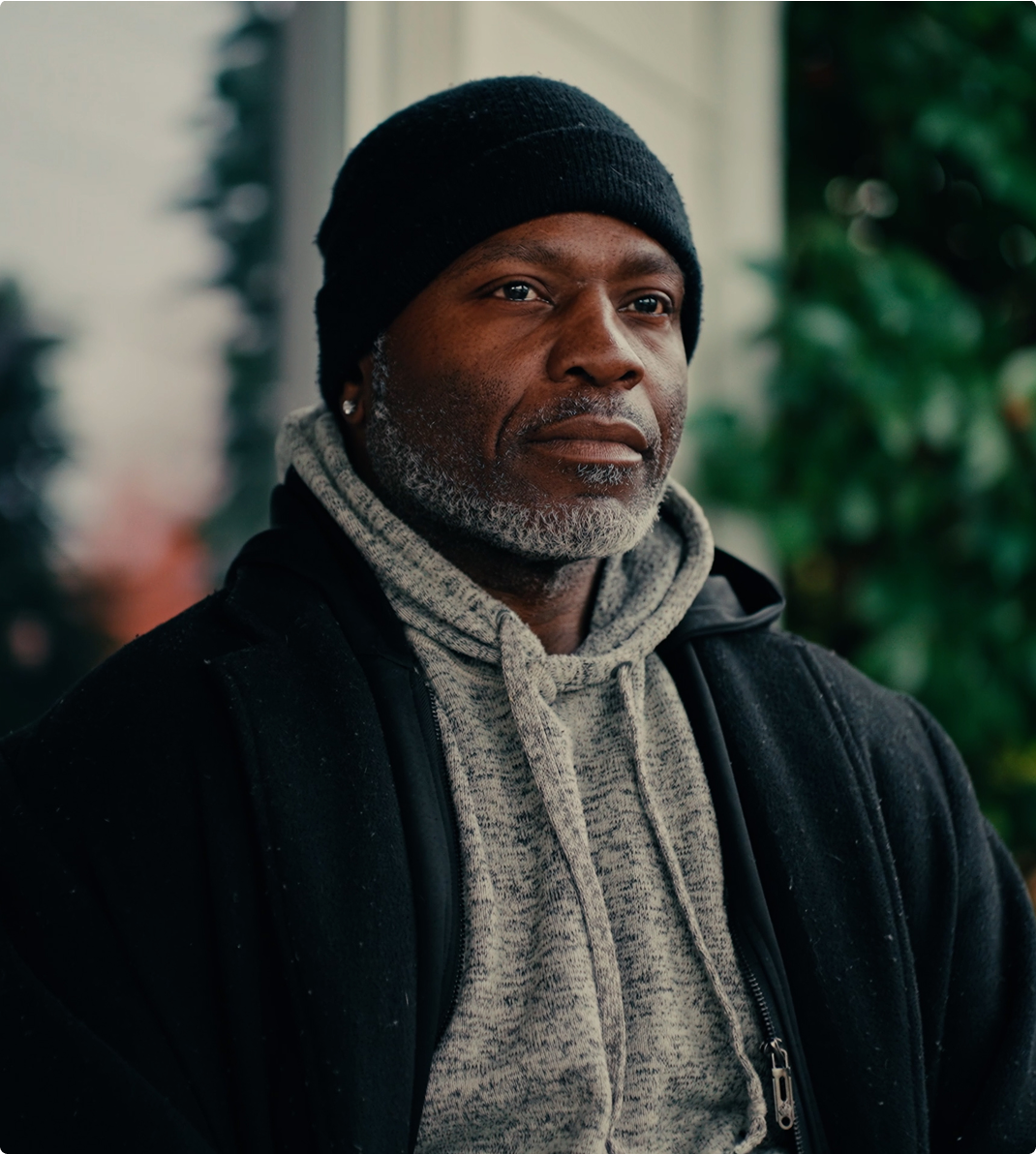
This crisis disproportionately impacts Portlanders of color, who are more likely to have lower incomes due to historic and ongoing housing discrimination, wage gaps, and barriers to homeownership.
People who have a disability, are transgender, are veterans or are seniors living on a fixed income are also more vulnerable to cost burden and housing instability, and are more likely to experience homelessness than the general population.
Units Deficit
With only 11,740 units of affordable housing available, there’s a deficit of 18,950 units, leaving thousands to live in poverty and on the streets.
Units Deficit
With only 11,740 units of affordable housing available, there’s a deficit of 18,950 units, leaving thousands to live in poverty and on the streets.
Homelessness is on the rise
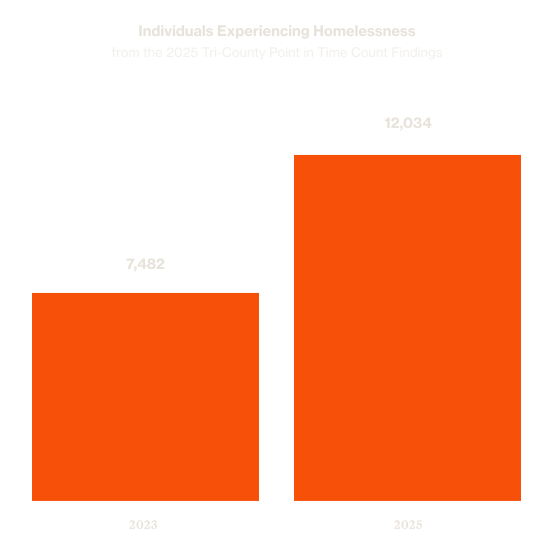
Over ten years after former Portland Mayor Charlie Hales declared a housing emergency, Portland is still struggling to meet the needs of people experiencing poverty and homelessness. Data shows that, even as many people are receiving life-saving resources, more people are losing their homes than the homelessness response system can keep up with.2 That means more people are entering the system than exiting it into housing.

.jpg)
“If poverty persists in America, it is not for lack of resources.”
Matthew Desmond
Evicted: Poverty and Profit in the American City
The Cost...
A Shortened Life
That's an average of 22 years lost...
This loss is devastating,